


Dubai's tap water is safe at the source and meets DEWA and GSO standards. The risk comes after the water leaves the treatment plant, specifically from building storage tanks and aging pipes. For reliable drinking water, point-of-use filtration at your tap is the most practical solution.
If you’ve just moved to Dubai or are planning to, you’ve probably been warned: “Don’t drink the tap water.” But is that actually true? The real answer is more nuanced than a simple yes or no, and understanding it could save you money, reduce plastic waste, and protect your family’s health.
In this post, you’ll learn:
- What Dubai’s tap water actually contains and how it’s treated
- Why the water in your glass may be different from what leaves the treatment plant
- Whether bottled water is really the only safe option
- What the smartest residents in Dubai are doing instead
Let’s get into it.
What the Official Data Says About Dubai’s Tap Water
Dubai’s tap water is produced by the Dubai Electricity and Water Authority (DEWA) using advanced desalination technology. DEWA processes seawater from the Arabian Gulf through multi-stage flash distillation and reverse osmosis, then remineralises it to meet the and Gulf Standard Organization (GSO) drinking water guidelines.
At the point of production, Dubai’s tap water is clean. DEWA regularly tests its supply and publishes compliance reports confirming that the water leaving its treatment plants meets international safety standards for microbial contamination, chemical composition, and total dissolved solids (TDS).
So if the water is safe at the source, why do so many residents avoid drinking it?
The Problem Is Not the Source. It Is the Journey.
Here is where the honest answer gets complicated.
Dubai’s water distribution infrastructure covers an enormous growing city. After water leaves a DEWA treatment plant, it travels through an extensive network of pipelines before entering individual buildings. Inside residential and commercial buildings, water is stored in overhead or underground holding tanks before it reaches your tap.
These storage tanks are the main concern. If a building’s water tank is not cleaned regularly, bacteria, sediment, and biofilm can accumulate. Older buildings with corroded or poorly maintained pipes can introduce heavy metals and rust into the water supply. In some cases, high ambient temperatures accelerate bacterial growth inside insufficiently insulated tanks.
This means the safety of your tap water depends heavily on where you live, how old your building is, and how conscientiously your building management maintains its water infrastructure. This is not a DEWA problem. It is a last-mile delivery problem.
What Is Actually in Dubai Tap Water?
Independent water quality tests conducted by residents and consumer groups in Dubai have found the following common issues in tap water samples:
- Elevated TDS (Total Dissolved Solids): Desalinated water sometimes has higher mineral content after remineralisation. While not dangerous at moderate levels, high TDS can affect taste, however improve mineral content in water for healthier living.
- Chlorine taste and odour: DEWA uses chlorination as a disinfection measure. The residual chlorine is within safe limits, but it is noticeable in taste and smell, which is why many people dislike drinking straight from the tap.
- Sediment and particulate matter: Older pipes and tank residue can introduce visible or microscopic particles into the water.
- Microbial contamination: In poorly maintained tanks, coliform bacteria have been detected in independent tests, though this is not a system-wide issue.
Is Bottled Water the Answer?
Most Dubai residents default to bottled water, and the market reflects this. The UAE is among the highest per-capita bottled water consumers in the world.
But bottled water has its own problems. Plastic bottles stored in the heat, a common reality in Dubai’s climate, can leach microplastics and BPA compounds into the water. The environmental cost of single-use plastic is significant. Impacts land and sea field waste. And the recurring expense adds up faster than most households realise.
Bottled water is also not automatically safer than filtered tap water. Regulatory oversight of bottled water brands is less stringent than municipal supply testing in many cases. Many tests have also been conducted by international research centers to evaluate the water quality of bottled water, and found it unsafe.
The Smarter Solution: Point-of-Use Filtration
If you want clean water without the cost and environmental impact of bottled water, point-of-use filtration is the practical answer used by an increasing number of Dubai residents and families.
A quality reverse osmosis system installed at your kitchen sink removes chlorine, heavy metals, bacteria, virus, sediment, and microplastics at the point of use. This means you are filtering the water immediately before you drink it, eliminating the risk introduced by building tanks, pipes, and plastic storage.
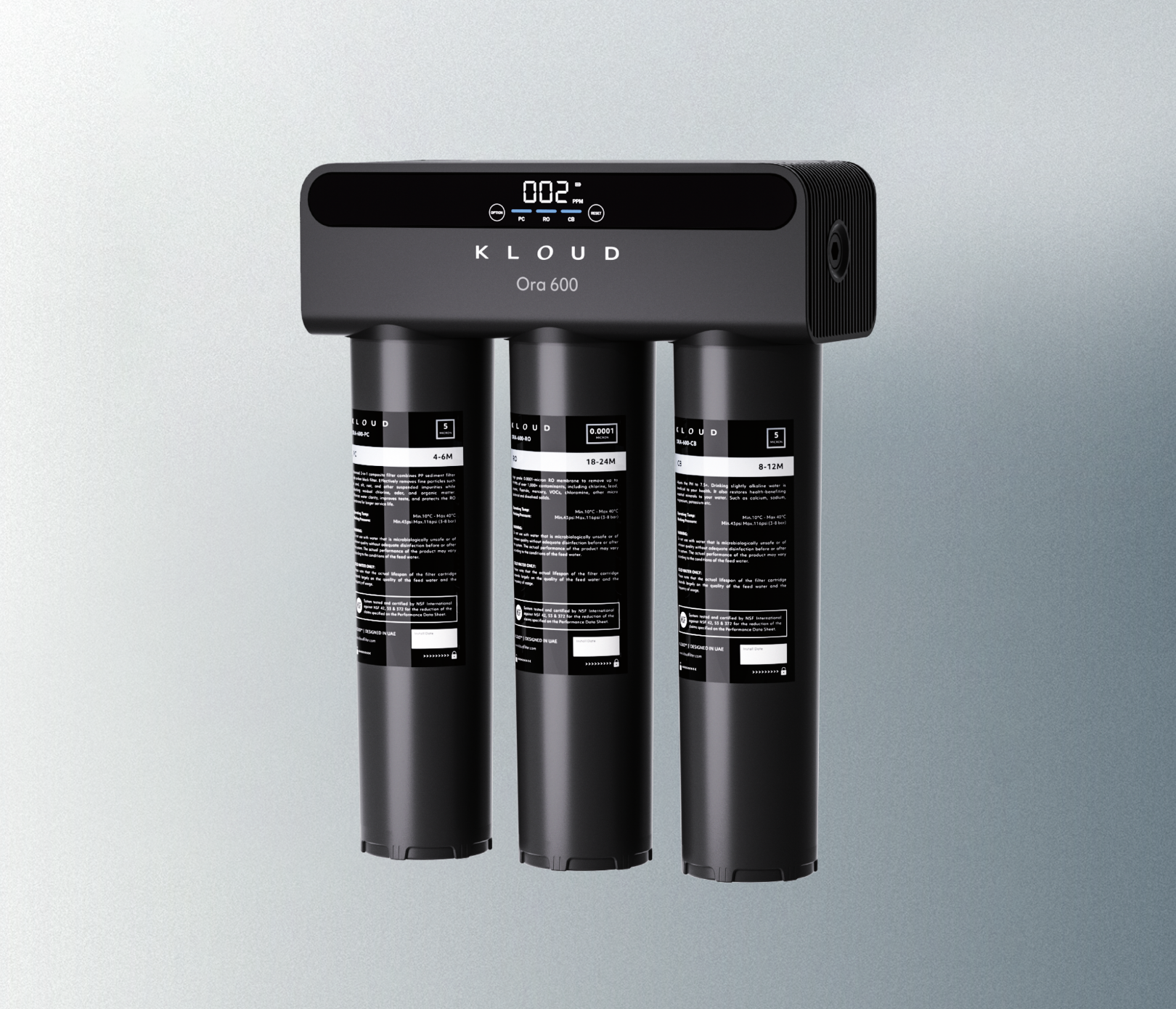
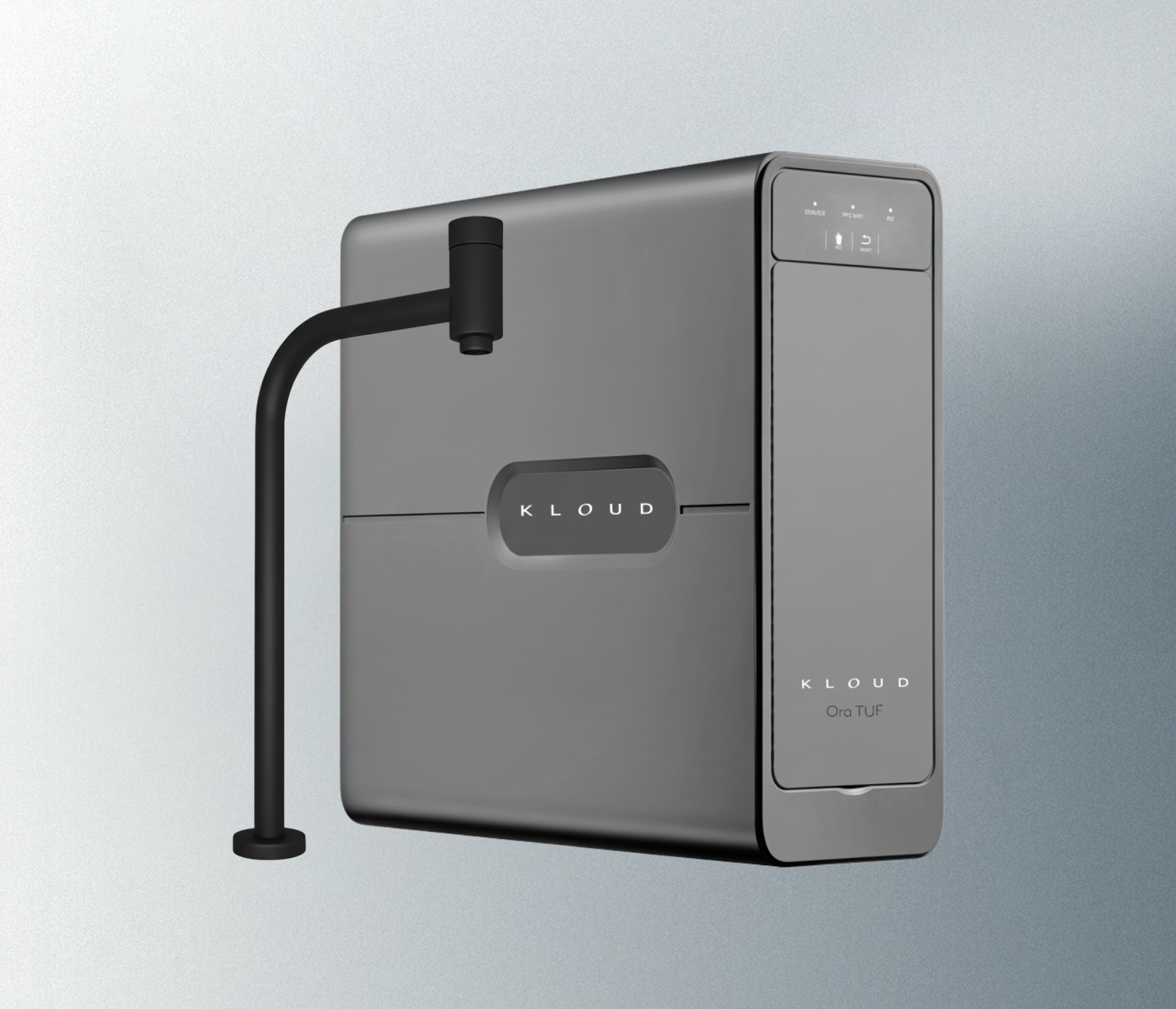
For households looking for a compact, tankless option that fits neatly under the sink, the Ora 600 is a practical choice. It delivers filtered, purified water on demand without requiring a bulky storage tank, but if you are a person who considers having more minerals in water we recommend you to consider the Ulterafiltration system which removes chlorine, heavy metals, bacteria, sediments, like the Ora TUF filter models. These are particularly useful in Dubai apartments where under-sink space is limited.
What About Larger Households or Higher Water Demand?
For families with higher daily water consumption, or for those who want faster flow rates and smarter monitoring features, a higher-capacity system makes more sense than a standard purifier.
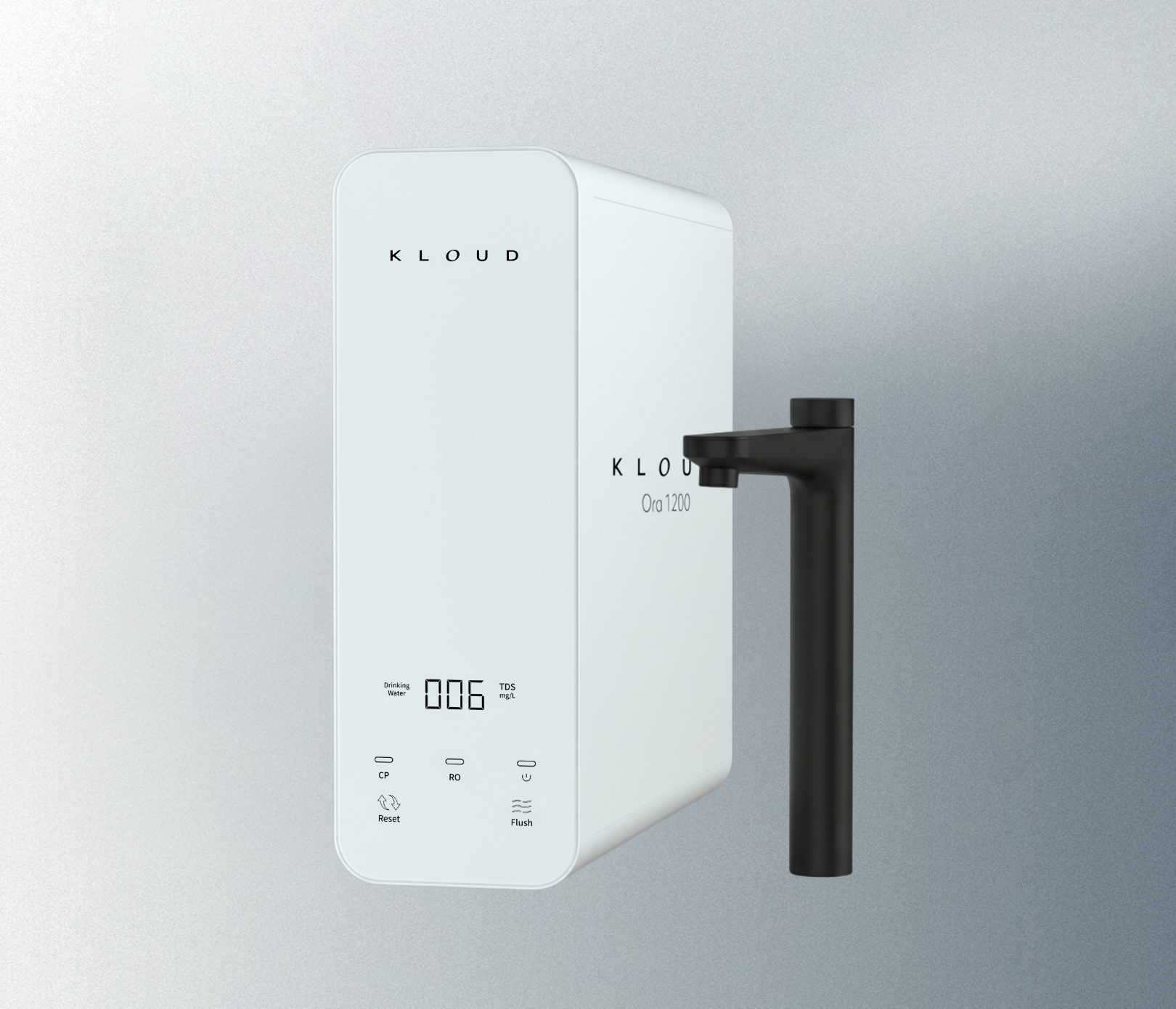
The Ora 1200 is a smart under-sink tankless reverse osmosis purifier with a 1200 GPD capacity. It offers real-time water quality monitoring, a higher output rate that suits families and shared kitchens, and the same tankless design that keeps installation clean and minimal.
Either option puts the filtration step right at your tap, which is exactly where it needs to be given how Dubai’s water infrastructure actually works.
Frequently Asked Questions
Can you drink tap water in Dubai hotels?
Most hotels use their own internal filtration systems, and Dubai hotels have been instructed to maintain the chlorination level at 2.5-5 ppm range and conduct yearly high chlorination in the water network so the water quality tends to be better than in standard residential buildings. However, you are still drinking water that has passed through the building’s internal plumbing, so quality can vary and not recommended for direct consumption unless we have a point of use Drinking Water System.
Is Dubai tap water safe for cooking?
For boiling, the chlorine dissipates with heat, and the temperature kills most microbial concerns. For cold use in cooking, such as salads or cold drinks, filtered water is the safer and better-tasting choice.
Is Dubai tap water safe for babies and infants?
For infant formula or direct consumption by babies under 12 months, filtered or purified water is strongly recommended. Infants are more vulnerable to even low-level contaminants than adults. In fact, using filtered water is highly recommended for pregnant women as well, as it supports the healthy overall development of the baby within the womb..
Does DEWA test tap water quality?
Yes. DEWA conducts regular testing of its treated water supply and publishes results. The issue, as covered above, is that testing occurs at the plant level, not at the point of delivery inside individual buildings.
The Bottom Line
Dubai’s tap water is safe at the source and meets international standards when it leaves DEWA’s treatment facilities. The concern is what happens between the treatment plant and your tap, specifically inside building storage tanks and aging pipes.
For residents who want reliable access to clean drinking water without the ongoing cost and environmental impact of bottled water, a point-of-use reverse osmosis filter is the most practical, cost-effective long-term solution available in this era.